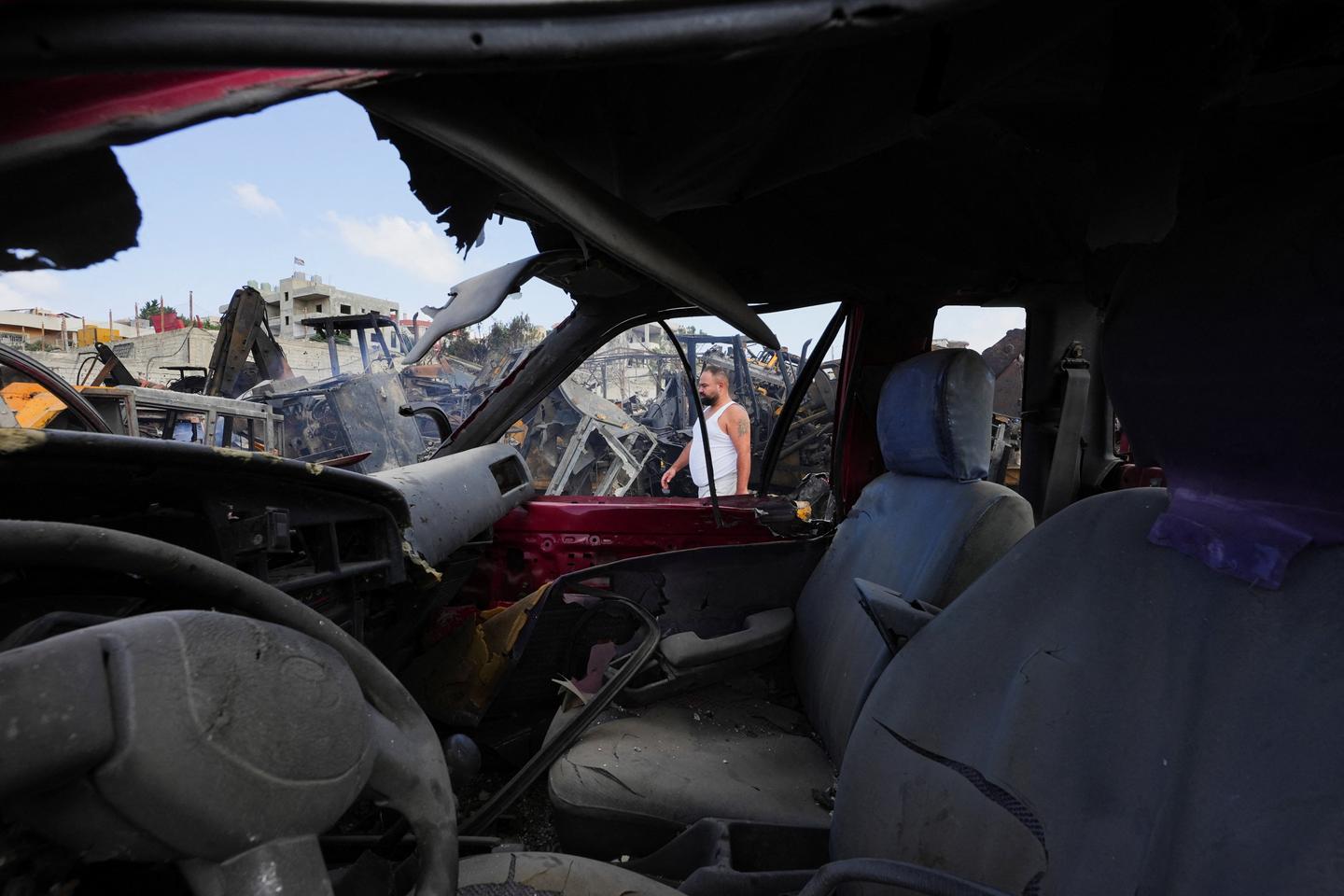
Lebanon, a nation frequently lauded for its resilience, is once again grappling with a profound humanitarian catastrophe. Recent escalations in conflict have driven an estimated 120,000 people from their homes, leaving countless families facing an uncertain future and unimaginable devastation. This crisis, marked by relentless Israeli strikes and the looming threat of wider conflict, has plunged communities across the south of the country into a state of acute emergency, echoing some of the darkest chapters of the nation's history.
The Unfolding Humanitarian Crisis: A Nation on Edge
The latest wave of conflict has seen Lebanon confront its most severe humanitarian challenge since its devastating civil war. As of late September, official figures indicate that over 120,000 individuals have been displaced, a staggering increase from the 90,000 reported just a few weeks prior in early March. These aren't just statistics; they represent families uprooted, lives shattered, and a generation potentially traumatized by the horrors of war. Prime Minister Nawaf Salam has grimly warned of a "humanitarian disaster" in the making, a stark assessment that resonates deeply with the escalating reality on the ground.
The human cost of the conflict is tragically clear. Reports on March 5, 2026, confirmed 123 deaths and 683 injuries resulting from Israeli strikes. By late September, these figures had tragically surged, with over 700 fatalities recorded. Localities across South Lebanon have borne the brunt of these bombardments, including a devastating strike on a building in Saïda that claimed five lives. This relentless targeting has compelled entire communities to abandon their homes, seeking refuge wherever they can – in crowded schools, with distant relatives, or in overwhelmed hotels in safer areas like Beirut.
Voices from the Front Lines: Personal Testimonies of Displacement and Loss
Behind every statistic lies a deeply personal story of fear, loss, and an enduring struggle for survival. These powerful témoignages (testimonies) from those directly affected paint a vivid picture of the crisis, offering a crucial window into the daily realities faced by displaced Lebanese families. For those who once called these now-threatened regions home, the journey has been one of repeated displacement and constant terror. Lebanon: Displaced Families Share Heartbreaking Tales Amidst Strikes like these are becoming increasingly common.
Aliyeh Hijazi, a 66-year-old Lebanese woman, epitomizes the plight of many. "On ne sait pas où il faut aller – We don't know where to go," she lamented after being displaced twice in just four days. Her words capture the profound disorientation and vulnerability felt by thousands who find themselves with nowhere safe to turn, caught between escalating bombardments and a desperate search for security.
For Franco-Lebanese families, the crisis brings an added layer of complexity. Carine and Hussein, who fled their home in Tyr with their two children, are now among the many displaced seeking shelter in Beirut's bustling hotels. Hussein vividly recounted the moment their lives changed:
"My children on the terrace and bombings at 6:30 in the morning; they are shocked, my wife is screaming, my daughter is crying... We've lost everything there. If they bomb houses, they bomb everything, we have nothing left... Like Gaza, at the start, they spoke of a ceasefire, but it's been a year. If this lasts a year in Lebanon, it will be very, very dark..."
Their story, a poignant témoignage, highlights the immediate trauma and the chilling fear that the conflict could mirror the prolonged suffering seen elsewhere in the region. Their hope to return home, to become rapatriés to their own property, is a powerful sentiment shared by many.
Sabine, a 51-year-old Franco-Lebanese living in Beirut with her 16-year-old daughter, shared her own harrowing account of what she described as the "most violent 48 hours in Beirut." With careful, measured words, she conveyed a fear and anger that resonate with many residents of the capital, who had hoped to be spared the direct impacts of the conflict. The constant threat of needing to evacuate weighs heavily on her, as on countless others prioritizing their children's safety above all else.
Losing Everything: The Devastating Impact on Families and Futures
The phrase "On a tout perdu" – "We've lost everything" – reverberates through the stories of the displaced. It encompasses not just homes and possessions but also livelihoods, routines, and a sense of security. Children, in particular, are bearing the immense psychological burden of witnessing violence, constant fear, and the instability of displacement. The images of early morning bombardments, the screams of parents, and the tears of children leave indelible scars that will last far beyond the cessation of hostilities.
Beyond the immediate trauma, the loss of homes means the loss of future prospects for many. Farmers can't tend their fields, businesses are shuttered, and access to education and healthcare is severely disrupted. The strain on host communities and existing infrastructure in Beirut and other cities is immense, as resources are stretched thin to accommodate the influx of displaced families. The long-term societal and economic repercussions of this mass displacement will be profound, requiring extensive reconstruction and recovery efforts for years to come.
A Nation Divided, Resilient, and Hopeful for Return
The conflict has also reignited complex political dynamics within Lebanon. For Carine and Hussein, who describe themselves as usually apolitical, the perception is that Hezbollah stands as the sole protector against Israeli attacks in the South. "Our government, it doesn’t defend us, and in South Lebanon, only Hezbollah protects us," Carine asserted, reflecting a sentiment among some communities who feel abandoned by state institutions and increasingly reliant on non-state actors for their security. This dynamic underscores the profound challenges facing Lebanon's fragile governance and social cohesion.
Despite the immense challenges, a fierce determination to return home and rebuild persists. "We hope to return home with our heads held high, and resume our lives. I know it will be complicated at first, but we will not abandon our country," Carine declared. This powerful sentiment, shared by many, speaks to the deep connection Lebanese people have to their land and their unwavering spirit in the face of adversity. The dream of being among the rapatriés, returning not just to a location but to a life reclaimed, drives many through these dark times.
Villages like Rmeish, nestled on the 'Blue Line' – the UN-demarcated border between Lebanon and Israel – find themselves literally caught between two fires. These Christian communities are unwilling witnesses to a conflict that has simmered since Hezbollah initiated a front of support for Hamas following October 7, 2023. A year later, they endure the relentless pounding of neighboring villages, a grim reminder of the region's intractable conflicts. Voices From Lebanon: Displaced Franco-Lebanese Detail War's Impact further highlight the resilience and complex loyalties at play.
Practical Steps and Support
In times of such profound crisis, understanding and support are paramount. Here are ways to engage and assist:
- Stay Informed: Follow reputable news sources for updates on the situation in Lebanon.
- Support Humanitarian Aid: Organizations on the ground are providing essential services, shelter, food, and medical aid to displaced families. Consider donating to established charities working in Lebanon.
- Raise Awareness: Share reliable information about the crisis to foster greater international understanding and pressure for de-escalation.
- Advocate for Peace: Support diplomatic efforts aimed at achieving a lasting ceasefire and addressing the root causes of the conflict.
The crisis in Lebanon is a stark reminder of the devastating human cost of conflict. With 120,000 displaced and families facing overwhelming devastation, the urgent need for international attention and humanitarian assistance cannot be overstated. The resilient spirit of the Lebanese people, exemplified in every personal témoignage, shines through the darkness, as they cling to the hope of returning to their homes, rebuilding their lives, and ultimately, finding peace. The international community has a moral imperative to respond effectively to avert a deeper humanitarian catastrophe and support Lebanon in its arduous path toward recovery and stability.